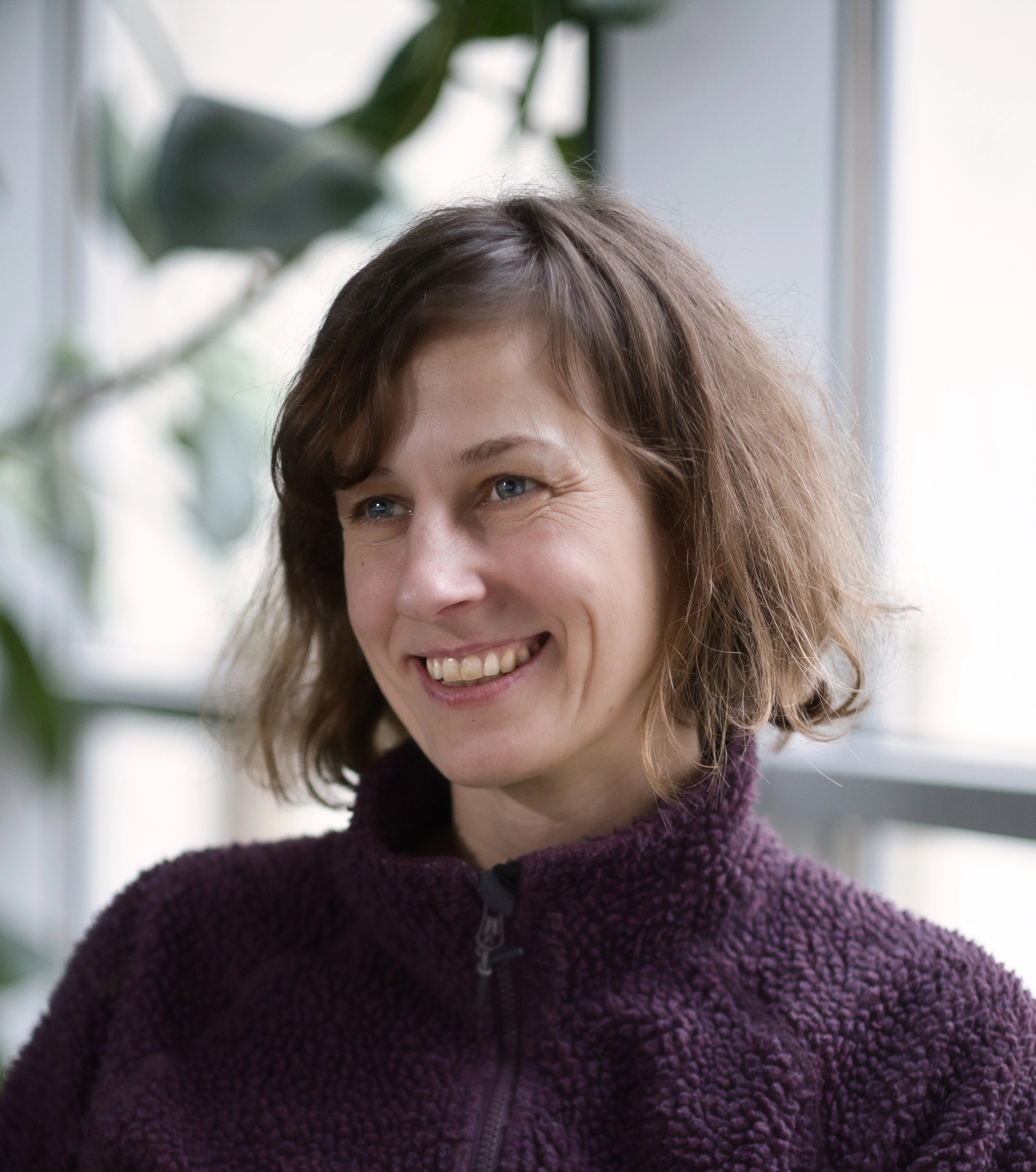
dr Marianna Strzelecka
I am an interdisciplinary scholar looking for challenging projects incorporating community psychology perspective to explore issues broadly related to sustainable tourism, nature protection and rural community development.
I have received my PhD from the Department of Recreation, Sport and Tourism at the University of Illinois Urbana-Champaign (IL, USA) under supervision of dr. Bruce Wicks. After graduation I took position as an Assistant Professor in Sustainable Tourism at the University of North Texas (Tx, USA). I left Texas in 2016 for the permanent position at Linnaeus University in Kalmar (Sweden).
My interests in sustainable tourism evolved over the years from simply tourism policy and development, toward the political facet of sustainable tourism such as rural community participation and rural community empowerment through tourism in the context of social-political transition. Most recently I am engaging in projects dealing with protected area tourism and justice in environmental governance. I am especially interested how sustainable tourism shapes community – nature relationship.
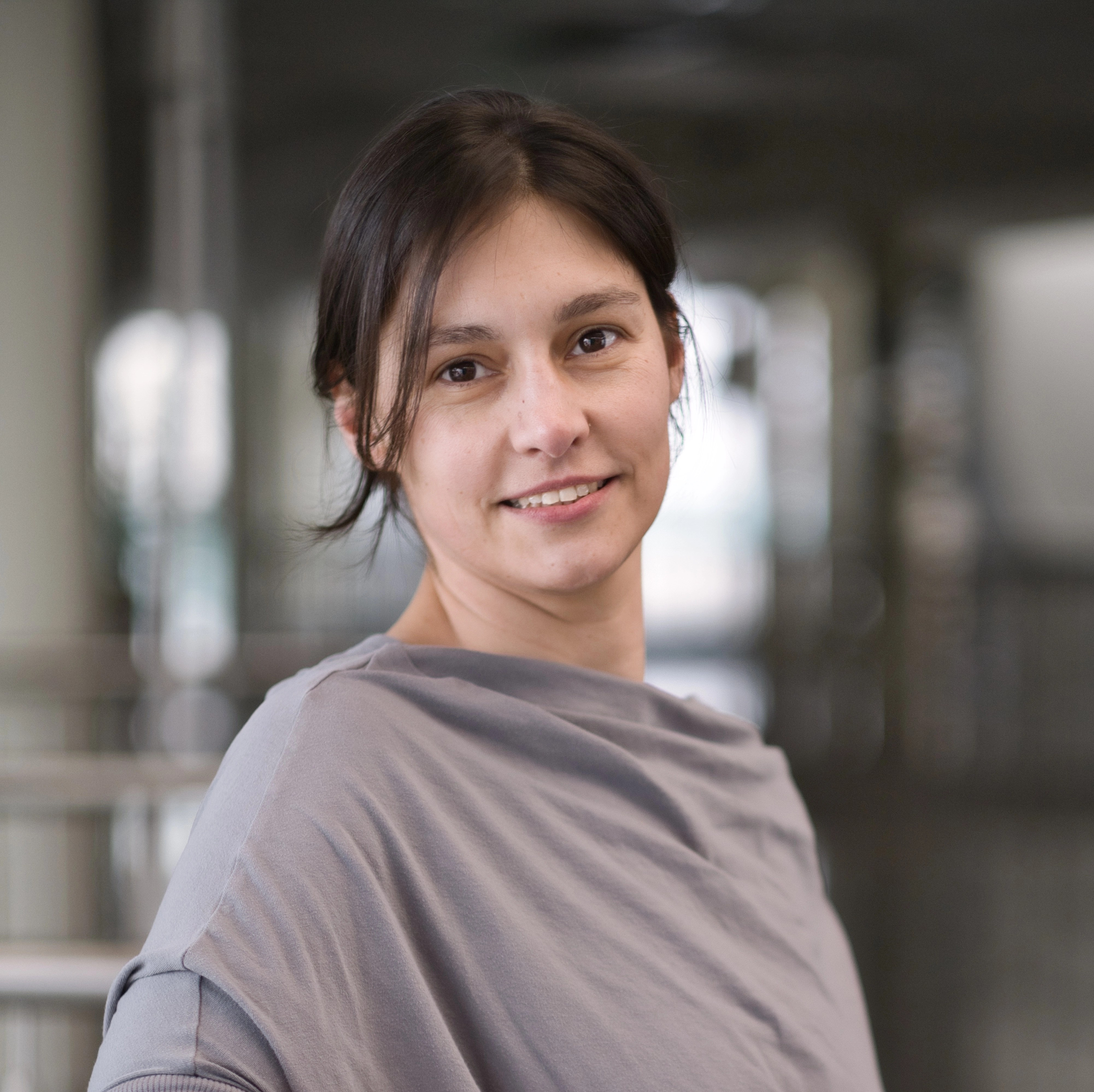
dr Joanna Tusznio
I am a sociologist and a researcher at the Institute of Environmental Sciences of the Jagiellonian University, where I conduct projects regarding the functioning of nature conservation programmes and the role of nature for local societies. In 2014 I defended my PhD thesis on socio-ecological conflicts in the context of sustainable development policies. My thesis was supervised by prof. Jarosław Górniak in the Institute of Sociology, Jagiellonian University, within Centre for Evaluation and Analysis of Public Policies. I teach classes in various aspects environmental policy, economic foundation of environmental protection, as well as research methods for analyzing relationship of the environment, society and the economy.
My research interests focus on local societies in nature conservation. I study the role of local societies in conservation policies and programs, ecological conflicts, as well as the way in which they perceive local nature and their role of their well-being. I combine my research interests with personal involvement in taking care of the environment and the belief in the major significance of socio-ecological problems in today’s world. I find deep satisfaction in working with interdisciplinary research teams, cooperation with public administration and non-governmental organizations, as in inspiring discussion with my students. I am also the head of Section of Environmental Sociology at the Polish Sociological Association.
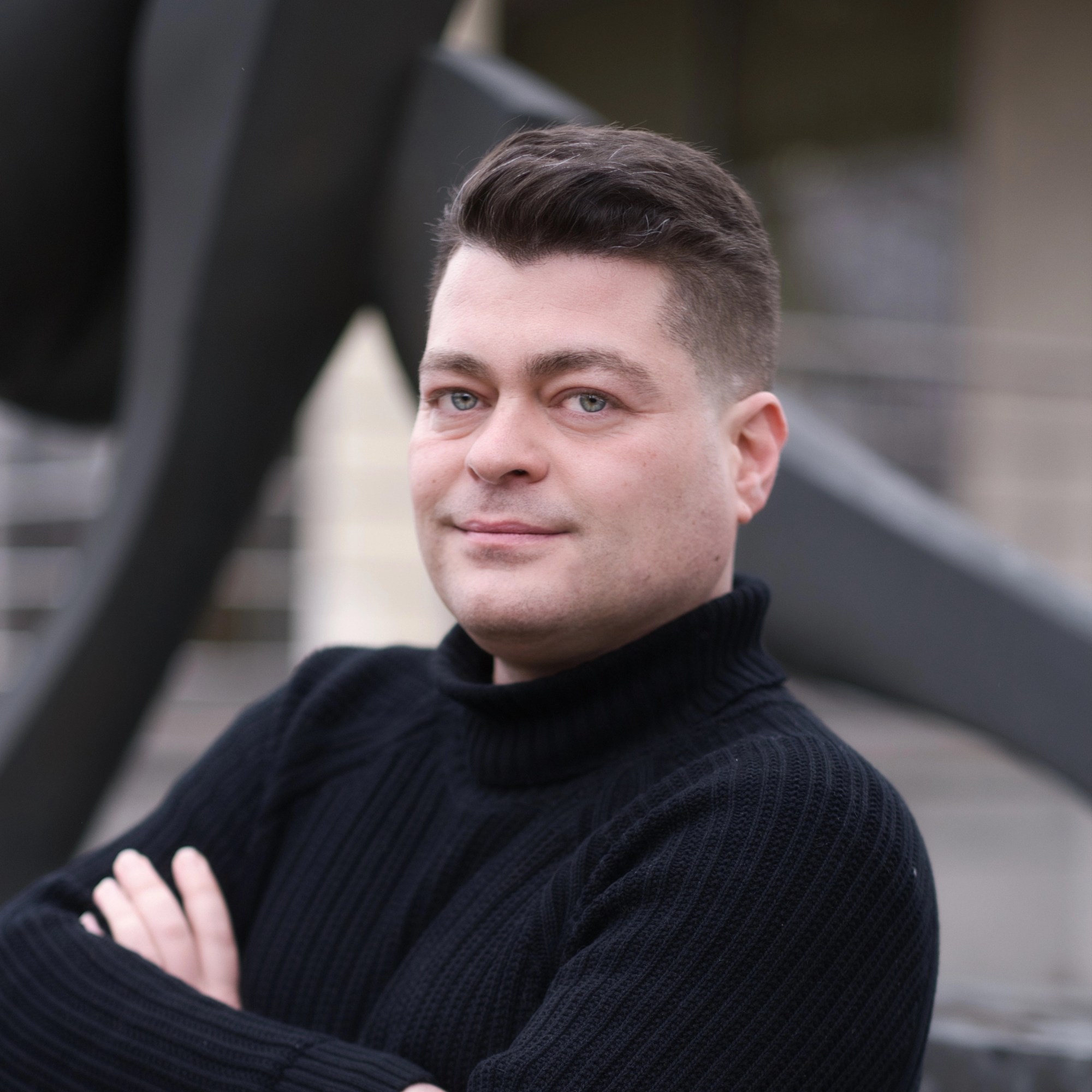
dr Arash Akhshik
I earned my PhD from the Tourism Faculty at Eastern Mediterranean University, where I taught courses focused on “Sustainable Development.” My academic pursuits have been enriched by professional experience in both government and private sectors within the tourism industry. Today, I am blending disciplines to unravel the intricacies of human-nature interactions, immersing myself in projects that hold the potential to significantly impact people’s lives by enhancing their well-being and environmental consciousness.
My interests lie in the socio-ecological systems associated with leisure activities, with a particular focus on designing transformative experiences for nature-based visitors that can deeply influence their sense of self. I am fascinated by the potential of experiences to trigger lasting changes in an individual’s emotions and behaviors. In my previous research, I have utilized fuzzy set Qualitative Comparative Analysis and complexity theory to simulate pro-environmental behavior among nature-based tourists. I have also investigated the causal factors that contribute to positive outcomes for both the visited regions and their visitors, and employed machine learning techniques to predict and promote pro-environmental actions.
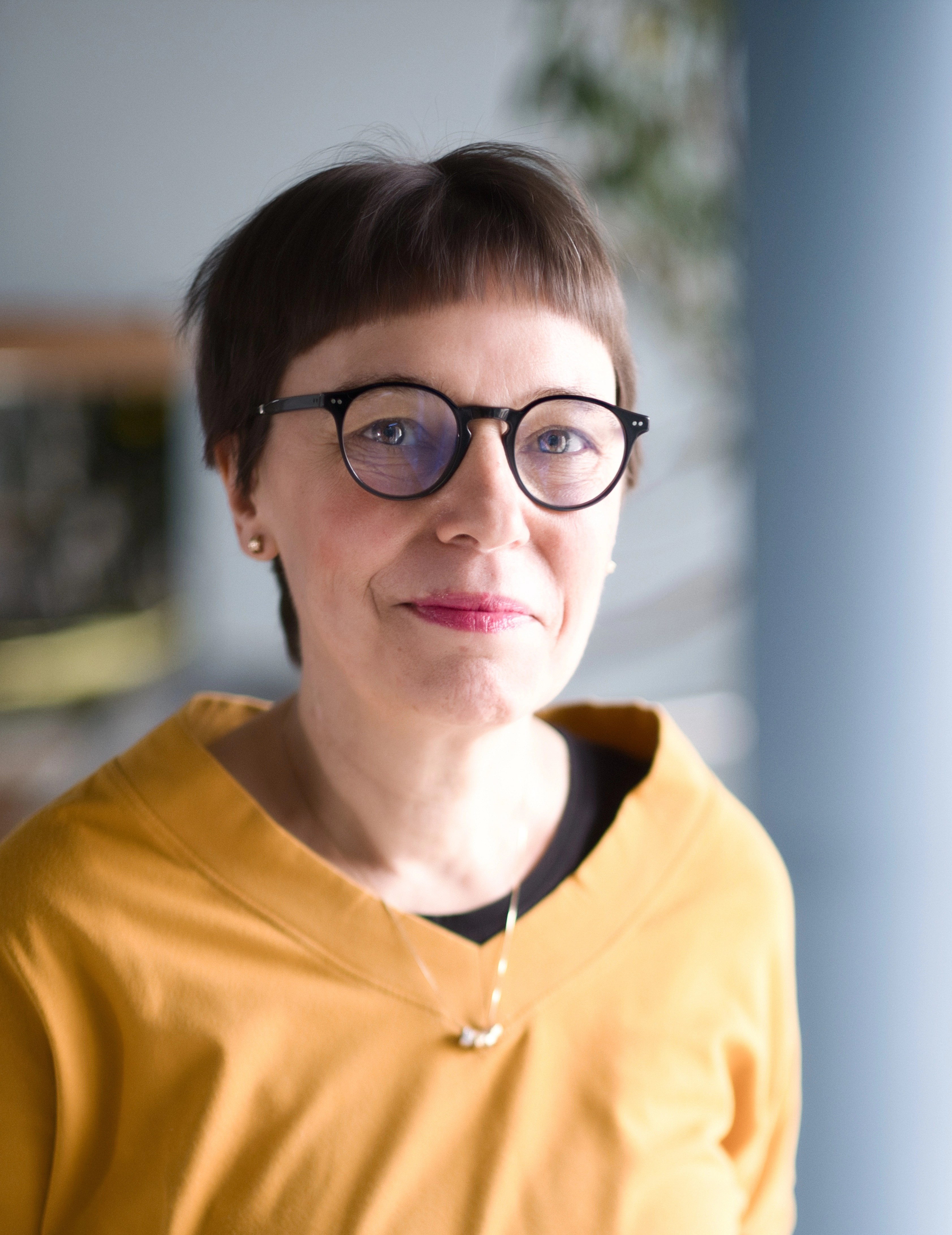
Prof. dr hab. Małgorzata Grodzińska-Jurczak
I am a biologist by education (master’s degree in environmental biology, 1990). My academic achievements feature three thematic trends. I started my career in classic ecology, investigating the influence of acidic? precipitation on the natural environment during a four-year PhD course (PhD thesis, 1995). I continued research concerning the effects of toxic substances on the environment, focusing throughout the next decade on the topic of limiting the negative impact of municipal waste on the environment (including human health) via educational activities. Achievements from that period formed the basis for my obtaining in 2005 a post-doctoral degree in Natural Sciences and biology, with a specialisation in ecological education. From that moment onwards, my activity in interdisciplinary research began. Since 2006, I have specialised in the social aspects of nature conservation. Since 1994, I have been employed, without interruption, at the Institute of Environmental Sciences, Jagiellonian University (first as Assistant Professor and later as Adjunct Professor). In 2014 I was nominated for the professor. Since 1994, I have been employed, without interruption, at the Institute of Environmental Sciences, Jagiellonian University (first as Assistant Professor, as Adjunct Professor and eventually as Full-Professor). The Faculty of Biology and Earth Sciences is where I graduated from, gained my PhD degree and post-doctoral title. I am currently the Head of Nature Protection, Wildlife Management and Environmental Education Research Team at the Institute of Environmental Sciences, Jagiellonian University.
At the end of 2006, I initiated research in a new domain, namely social aspects of nature conservation (human dimension – HD), concerning a wide definition of nature conservation. HD refers to research conducted using the methods taken from social sciences to investigate human attitudes and activities towards nature and determine how they can be applied in natural resource management. The decision to take up this topic, which was a novelty in Poland at that time, arose from my awareness of the need to transform the natural resource management system from a purely traditional system, based on the demand to protect particular elements of nature, into a more modern one that would include public participation and the development of rules to govern this participation in practice. I am particularly interested in the European ecological network Natura 2000, which differs from other national forms of nature conservation, thus causing human-nature conflicts. I pay much attention to the methods of management of these conflicts (e.g. through the participation of various social groups, socio-ecological consultation), social communication methods, as well as the study of attitudes to the environment both in children and adults. Apart from scientific research, I am involved in the popularisation of science and in educational activities, i.e. planning, conducting, and evaluating programmes and information or educational campaigns concerning nature conservation and municipal waste management intended for various types of audience (local governments, national park staff, directorate for environmental protection staff, teachers, school students etc.), and developing educational materials.
 River Stewardship