A Quick Recap from the International Conference on “Changes and Perspectives of Tourism in a Reshaped World”
Tourist misbehaviours in nature have been a longstanding concern for environmentalists, conservationists, and managers of natural areas. With the rising popularity of outdoor recreation and nature-based tourism, there has been a growing need to address the negative impacts of irresponsible behaviours along rivers. Such behaviours can lead to long-lasting damage, loss of biodiversity, disruption of ecosystems, degradation of cultural sites, and adverse impacts on the local economy.
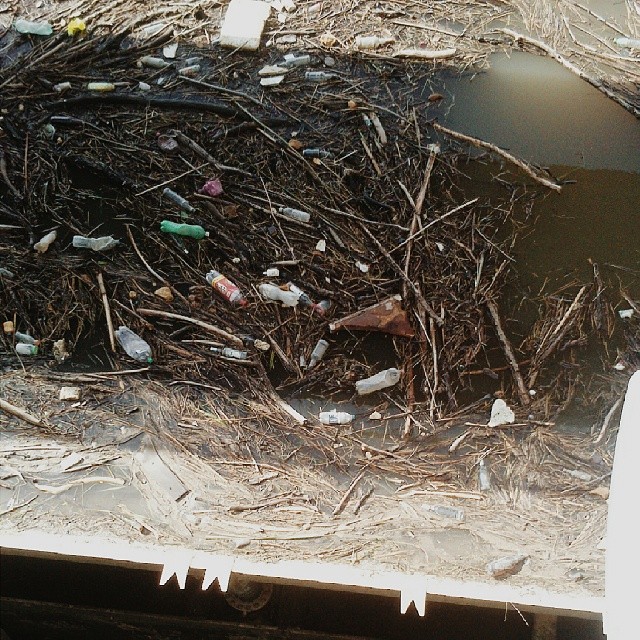
Despite the critical need to address these issues, significant gaps exist in our understanding of the extent and nature of such behaviours. Traditional data collection methods often fall short in providing comprehensive insights, making it challenging to develop effective management strategies and evaluate the efficiency of existing policies and regulations.
The team including (dr. Strzekecka, dr. Akhshik, & dr. Tusznio) proposed a novel approach to this problem by applying AI and Deep Learning methodologies. We harnessed the power of social media platforms, specifically Instagram, to analyze user-generated content and gain insights into tourist behaviours. Our model was trained on a dataset of geotagged images to identify common types of misbehaviours.
The model analyzed over 300,000 images from 500 rivers, revealing that the misbehaviours largely fell into categories of environmental degradation, wildlife disturbance, non-compliance with regulations, social conflicts, and cultural insensitivity. The model was also refined to specifically recognize river outdoor scenarios, providing a targeted approach to understanding misbehaviour in these unique settings.
Our innovative research contributes significantly to understanding tourist misbehaviour in river-based settings. It offers a data-driven approach to identify instances of misbehaviour, providing valuable insights for policymakers, river management authorities, and tourism operators. The findings will aid in the development of targeted interventions and educational programs to mitigate the negative impacts of tourist misbehaviour.
 River Stewardship